Intel's Turnaround: Investments, Cost Cuts & Rosy Outlook
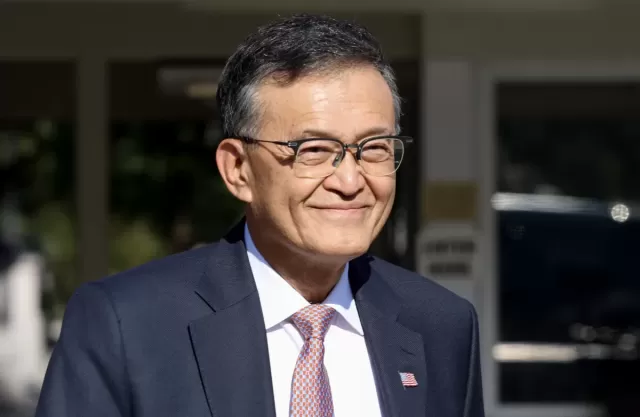
Intel, the semiconductor giant, has delivered a surprisingly strong third quarter, exceeding Wall Street's expectations. This positive shift comes after a period of significant challenges and substantial losses. The company's resurgence is being fueled by a combination of increased revenue, aggressive cost-cutting measures, and a wave of major investments. Under the leadership of CEO Lip-Bu Tan, Intel is actively working to reshape its future and regain its competitive edge.
Financial Boost: A Look at the Numbers
Intel's recent financial performance offers a stark contrast to its previous struggles. The company reported a net income of $4.1 billion, a considerable improvement compared to the substantial losses experienced in prior quarters. This positive momentum is further highlighted by an $800 million increase in quarterly revenue, reaching $13.7 billion from $12.9 billion.
Strategic Investments: Fueling the Future
A key factor contributing to Intel's improved financial standing is the infusion of significant capital through strategic investments. The company added $20 billion to its balance sheet during the third quarter, primarily driven by three major deals:
- SoftBank Investment: A $2 billion investment from SoftBank demonstrated confidence in Intel's potential and future direction.
- U.S. Government Support: The U.S. Government made a notable move by acquiring a 10% equity stake in Intel, with $5.7 billion already received out of a planned $8.9 billion. This investment underscores Intel's strategic importance to the nation's technology infrastructure.
- Nvidia Partnership: Nvidia invested $5 billion in Intel as part of a broader collaboration focused on developing advanced chip technologies. This partnership signifies a joint effort to innovate and compete in the evolving semiconductor landscape.
| Investor | Investment Amount | Significance |
|---|---|---|
| SoftBank | $2 Billion | Signals confidence in Intel's turnaround and future prospects. |
| U.S. Government | $5.7 Billion | Highlights Intel's strategic importance and role in national technology. |
| Nvidia | $5 Billion | Fosters collaboration and innovation in chip development. |
Cost Optimization: Streamlining Operations
In addition to attracting investments, Intel has been actively implementing cost-cutting measures to improve its financial efficiency. These efforts include layoffs and other reductions across various departments. While such measures are often difficult, they are considered necessary steps to streamline operations and improve profitability.
The Foundry Business: A Key Focus Area
Intel's foundry business, which produces custom chips for other companies, has been a subject of concern. This segment has faced challenges and has been a primary focus of CEO Lip-Bu Tan, who initiated layoffs within the foundry division earlier this year.
The U.S. government's investment in Intel includes specific provisions related to the foundry business. These provisions penalize Intel if it divests from its foundry operations within the next five years, signaling the government's commitment to maintaining a strong domestic semiconductor manufacturing capability.
Wall Street analysts are closely monitoring the foundry business for signs of long-term growth and success. Some analysts believe that a successful turnaround in the foundry business is crucial for Intel's overall recovery and future prospects.
| Aspect | Details |
|---|---|
| Focus | Producing custom chips for other companies. |
| Challenges | Has faced difficulties and been a concern. |
| U.S. Government | Penalties for divesting within five years. |
| Wall Street | Critical for long-term growth and success. |
CEO's Vision for the Foundry
CEO Tan believes that Intel's foundry business is uniquely positioned to capitalize on the growing demand for chips. While specific details remain limited, Tan has emphasized that the company is actively engaging with potential foundry customers and is committed to disciplined growth in this area.
"Building a world-class foundry is a long-term effort founded on trust," Tan stated. He further emphasized the importance of providing customers with a seamless experience, meeting their needs for performance, yield, cost, and schedule.
The Road Ahead: Challenges and Opportunities
Intel's recent performance represents a positive step in its turnaround journey. However, the company still faces challenges and uncertainties. The success of its cost-cutting initiatives, the ability to effectively manage its foundry business, and the execution of its strategic partnerships will be critical factors in determining its long-term success.
Despite these challenges, Intel's strong financial position, coupled with its strategic investments and a renewed focus on innovation, positions the company for future growth and competitiveness in the global semiconductor market.
The coming years will be crucial for Intel as it navigates the evolving technology landscape and works to solidify its position as a leading semiconductor manufacturer.